
About Us
The Long Version
I never set out to specialise in behavioural dogs. It found me.
My first rescue turned my world upside down. The training advice I was being given by every well-meaning person around me didn’t work. Some of it made things worse. I realised pretty quickly that I was going to have to find another way.
That dog became the start of everything.
Since then I’ve owned bait dogs, severely reactive rescues, dogs on their fourth home, fear-aggressive dogs, resource guarders who couldn’t be trusted around another animal in the house. The dogs everyone called ‘too much.’ The ones nobody else wanted.
What I’ve learned along the way is this. There’s no such thing as a bad dog. There are only dogs whose nervous systems have learned, often through trauma or poor early experiences, that the world isn’t safe. Punishment doesn’t fix that. Compliance doesn’t fix that. Only patient, science-based, emotionally intelligent work does.
That’s the work I do.
The Other Half of the Story
I’m not a hobbyist who did a weekend course. I’m a behavioural specialist with years of experience, and I’m also a certified canine hydrotherapist.
The hydrotherapy qualification matters more than people realise.
A huge proportion of what gets labelled a behaviour problem is actually undiagnosed pain. The dog who snaps when their harness goes on isn’t necessarily reactive. They might have a neck or shoulder injury nobody has caught. The dog who can’t settle isn’t necessarily anxious. They might be in chronic, low-grade physical discomfort. Working in hydrotherapy gave me an eye for that. It changes how I approach every behaviour case I take.
What You Get From Me
- One-to-one training built around your dog and your real life. Not a manual, not a curriculum, not a group class.
- Kind, science-led methods that respect your dog’s emotions and build your handling skills at the same time.
- Honest answers, even when they’re hard to hear.
- Ongoing WhatsApp support between sessions, with absolutely no judgement.
- A trainer who’ll be your cheerleader on the good days and your shoulder to lean on when things feel impossible.
Qualifications
Advanced Canine Reactivity Expert
Canine Trauma and Rescue Expert
Canine Body Language Specialist
Canine Reactivity Specialist
Canine Nutrition and Wellness Expert
Qualified Canine Hydrotherapist
At Home
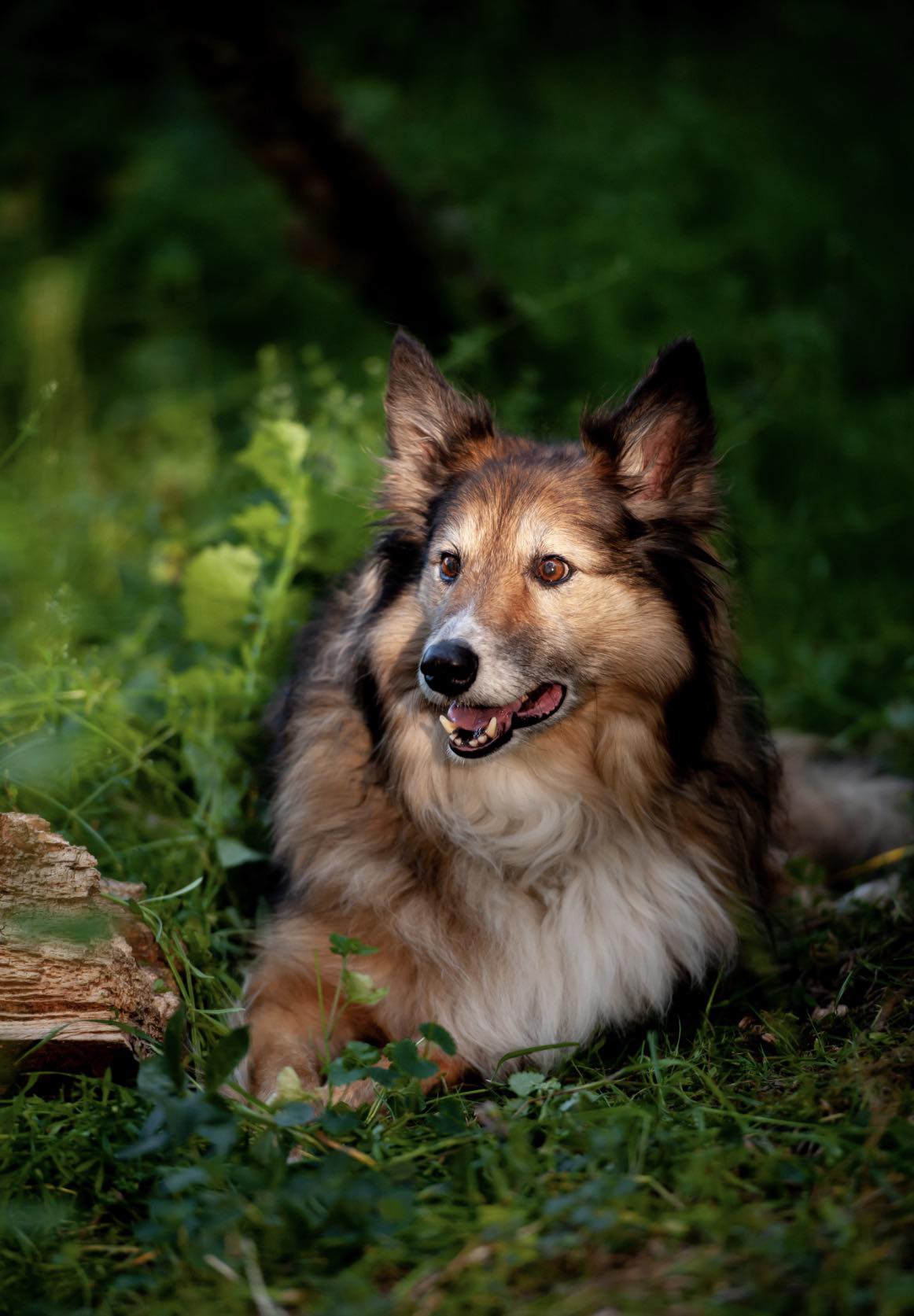
I’m currently outnumbered by three collies: Sabre, Mia and Kallie. They’re my favourite teachers.